The science behind the assessment
Assess Your Stress combines one of the world's most validated psychological instruments with a proprietary clinical framework developed by psychotherapist Brian Pope. This page explains the science, the methodology, and the evidence.
The Perceived Stress Scale (PSS)
Created by Sheldon Cohen, Tom Kamarck, and Robin Mermelstein in 1983, the Perceived Stress Scale is the most widely used psychological instrument for measuring perceived stress. It has been cited in over 30,000 academic papers and translated into dozens of languages.
The PSS measures three key dimensions of psychological stress: how unpredictable you find your life, how uncontrollable things feel, and how overloaded you are. Unlike objective stress measures, it captures your subjective experience, because two people in identical circumstances can experience entirely different levels of stress.
Reference: Cohen, S., Kamarck, T., & Mermelstein, R. (1983). A global measure of perceived stress. Journal of Health and Social Behavior, 24(4), 385–396.
Four domains of stress
Building on the PSS foundation, our assessment evaluates stress across four key domains. This gives a richer, more actionable picture than a single overall score.
Physical Wellbeing
How stress manifests physically, sleep disruption, tension, fatigue, appetite changes, immune function.
Mental Clarity
Your cognitive function under stress, concentration, decision-making, memory, mental fog.
Emotional Balance
Emotional regulation and resilience, irritability, anxiety, mood stability, emotional reactivity.
Daily Functioning
How stress impacts your everyday life, work performance, relationships, social engagement, routine tasks.
Each domain is scored independently and contributes to your overall Stress Continuum placement. This means you might be Thriving physically but Struggling emotionally, and that distinction matters for choosing the right interventions.
The Stress Continuum model
Rather than a simple 'low/medium/high' label, the Stress Continuum places you in one of four evidence-informed stages. This model, developed by Brian Pope, provides a nuanced framework for understanding where you are and what kind of support is most appropriate.
Thriving
Balanced emotions, steady energy, clear thinking. You feel in control, engaged, and optimistic about the future. Maintain balance with consistent mindfulness practice and healthy routines. Protect sleep, nurture relationships, and build stress resilience reserves.
Surviving
Managing stress but feeling stretched. Occasional fatigue, mild tension, but still coping with everyday demands. Early warning signs are appearing. Prioritise ruthlessly, set clear boundaries between work and rest, and schedule regular relaxation breaks as non-negotiable appointments.
Struggling
Persistent overwhelm, disrupted sleep, irritability. Stress is affecting your performance and relationships noticeably. Seek social support and try evidence-based techniques like deep breathing or progressive relaxation. Professional guidance can make a real difference.
Crisis
Feeling paralysed, numb, or completely overwhelmed. Daily functioning is significantly impaired. Immediate support is essential. Contact mental health professionals, resilience centres, or crisis helplines today. You don't have to navigate this alone.
Measuring resilience, not just distress
Our assessment includes reverse-scored items that measure positive indicators, your sense of control, your ability to handle unexpected changes, your confidence in managing personal problems.
This means we're not just measuring how much stress you have, but how much resilience you bring to it. The balance between stressors and protective factors determines your Continuum placement.
Coming Later in 2026
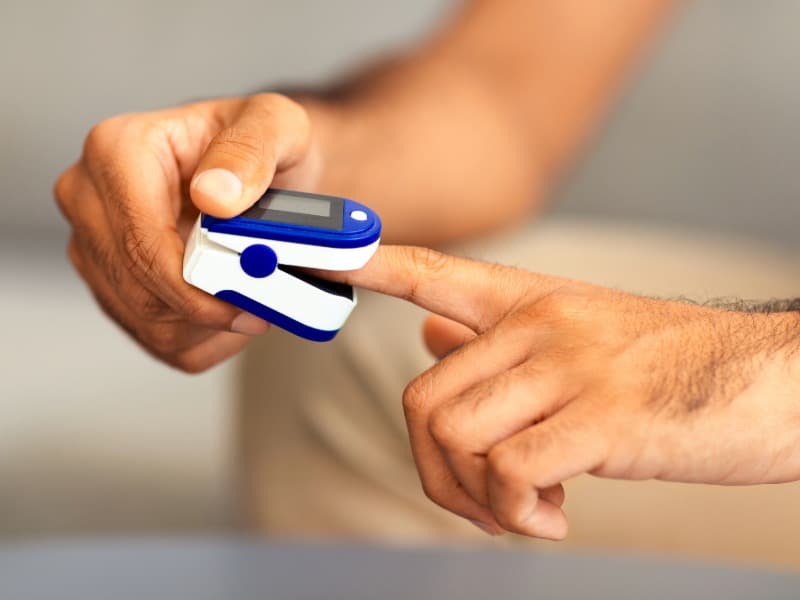
Heart Rate Variability: the body's stress signature
Heart Rate Variability (HRV) measures the variation in time between each heartbeat. It is controlled by the autonomic nervous system and is one of the most reliable objective indicators of physiological stress and recovery.
Higher HRV generally indicates better cardiovascular health, stronger stress resilience, and a well-functioning autonomic nervous system. Lower HRV is consistently associated with chronic stress, anxiety, depression, and increased risk of cardiovascular disease.
By combining HRV biometric data with our questionnaire results, Assess Your Stress will offer the most comprehensive stress assessment available outside a clinical research setting, pairing what your mind perceives with what your body reveals.
Clinical governance and safety
Assess Your Stress is not a diagnostic tool and does not provide clinical diagnoses. It is a clinically informed assessment designed to help individuals understand their stress levels and take appropriate action.
Our platform includes automated crisis detection. If anyone's results indicate they may be in the Crisis zone, they receive immediate signposting to professional support services including Samaritans (116 123), NHS 111, and local crisis teams. Our clinical lead is alerted for review.
We are pursuing ISO 27001 (information security) and ISO 42001 (Ai management) certification, and our architecture is designed from the ground up for NHS-grade data governance including DSPT, DTAC, and DCB0129 compliance.